
Starting a new team member on probation gives both the employer and employee time to assess whether the role is the right fit. However, a probationary period in Australia does not remove an employer’s obligations under the Fair Work Act or make termination risk-free. Employers still need to manage employment contracts, workplace entitlements, performance issues and workplace policies appropriately throughout the probation period.
Understanding workplace probationary periods can help businesses make informed hiring decisions while reducing employment risks. This guide explains what a probationary period is, how a probationary period differs from the Fair Work minimum employment period, what employees are entitled to during probation and what employers should consider before confirming, extending or ending employment.

What is a probationary period in Australia?
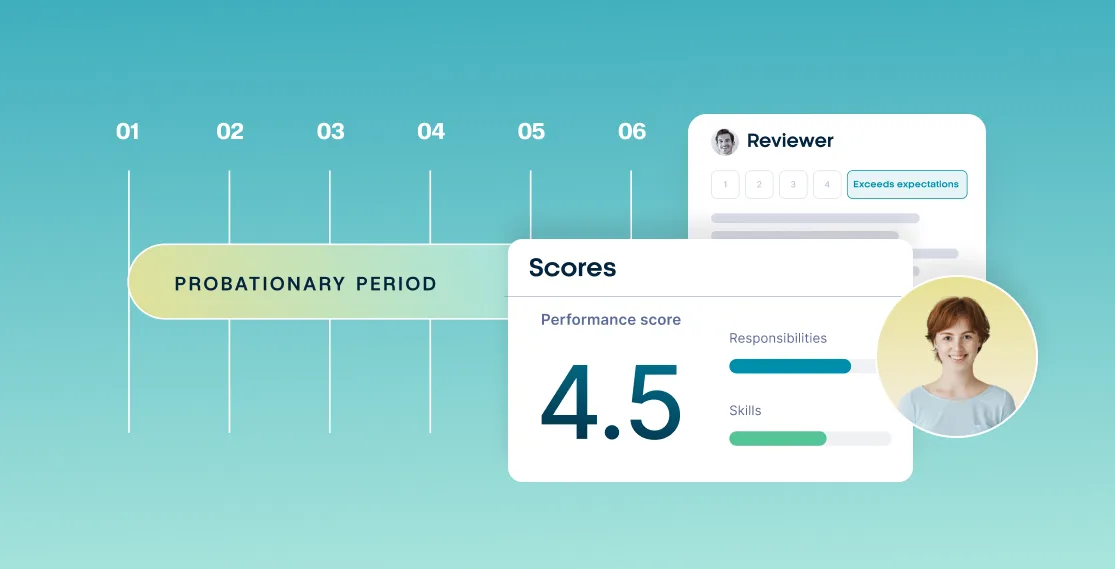
A probationary period is a trial period at the beginning of employment that allows both the employer and employee to assess whether the role is a suitable fit.
In Australia, probation is effectively set by the employer and recorded in the employment contract or a workplace policy. Employers decide the length of probation, and it commonly runs for three to six months from the employee’s first day. During this time, employers can evaluate performance and overall suitability, while employees can decide whether the position and workplace meet their expectations.
Not every employee must have a probationary period, as probation is not mandatory under Australian employment law. How long a probationary period lasts and whether it applies depends on the employment contract and any applicable award or enterprise agreement.
Probation period vs minimum employment period
One of the most common areas of confusion for employers is the difference between a probationary period and the Fair Work minimum employment period.
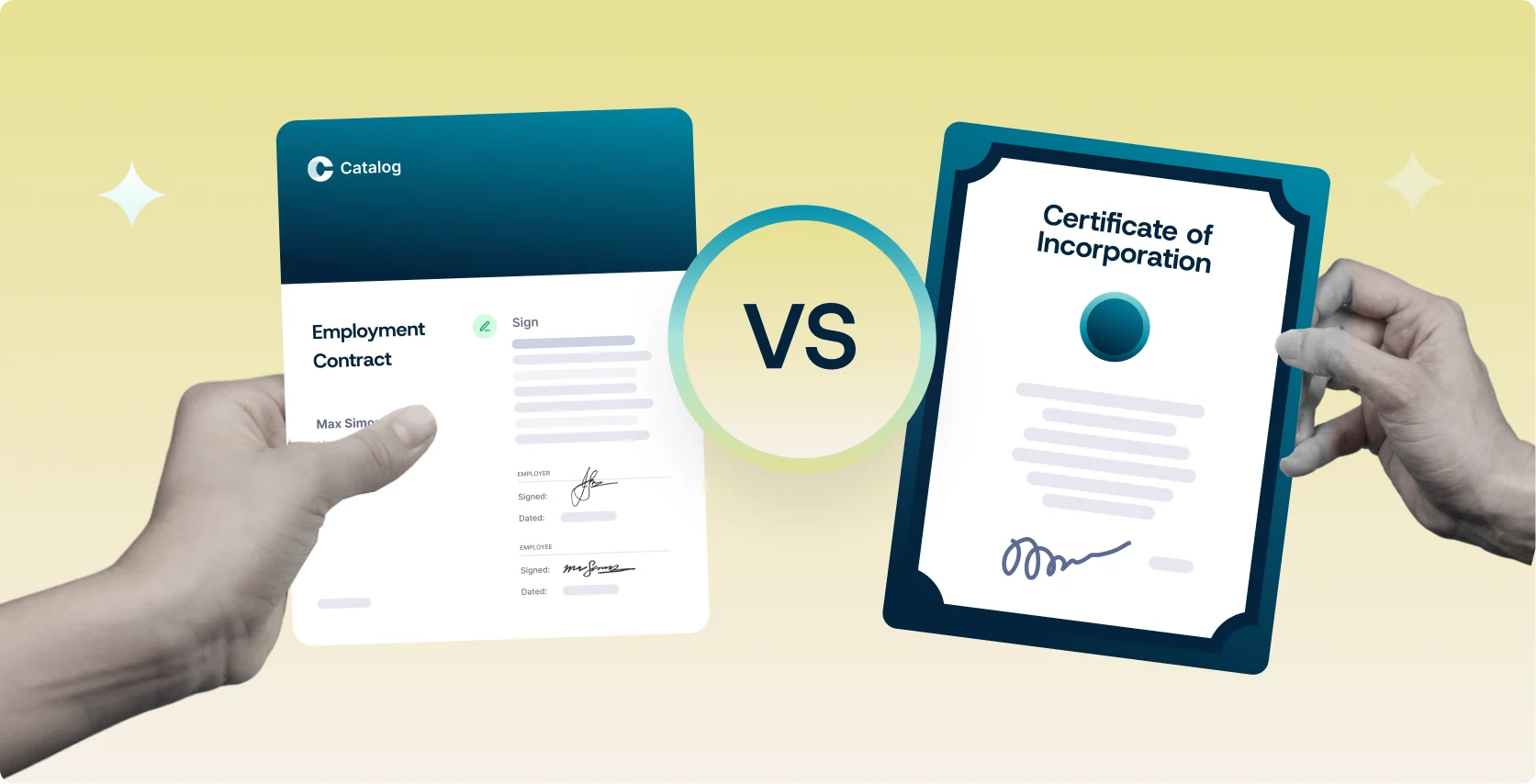
A workplace probationary period is a contractual arrangement agreed between the employer and employee at the start of employment. By contrast, the minimum employment period determines when an employee may become eligible to make an unfair dismissal claim under the Fair Work Act.
This distinction means an employee may complete a three-month probation while remaining within the six-month or twelve-month minimum employment period that applies for unfair dismissal purposes.
| Concept | What It Means | Why It Matters for Employers |
|---|---|---|
| Probationary period | A contractual trial period at the start of employment | Helps assess performance, capability and role suitability |
| Minimum employment period | The qualifying period for unfair dismissal eligibility | Affects when unfair dismissal protections may apply |
| Notice period | The notice required when employment ends | Depends on the contract, National Employment Standards (NES), award or enterprise agreement |
| Employee entitlements | Workplace rights during employment | Continue to apply throughout probation when relevant |

How long should a probationary period be?
There is no fixed answer to how long probationary period arrangements should last. Probation commonly ranges from three to six months, but the appropriate length depends on the role and the employer’s operational needs.
| Role or Situation | Probation Planning Consideration |
|---|---|
| Entry-level or operational role | A shorter review period may provide sufficient time to assess performance |
| Specialist or senior role | Additional time may be needed to evaluate capability and business fit |
| Award or agreement-covered employee | Check whether any employment terms affect probation arrangements |
| Small business employer | Consider how probation aligns with onboarding and the minimum employment period |
Instead of setting a standard timeframe for every employee, employers should consider onboarding requirements, role complexity, performance expectations and the employment contract before deciding on a probation period.
Do employees get paid during a probationary period?
Yes. Employees continue receiving the same workplace entitlements during probation that apply to their employment.
Employees are entitled to at least the applicable minimum wage and to continue accruing National Employment Standards (NES) entitlements, including annual leave and personal leave, for eligible full-time and part-time employees. Superannuation obligations also continue if applicable.
If employment ends during probation, employers still need to manage notice requirements, final pay and any outstanding entitlements in accordance with the employment contract, applicable award, enterprise agreement and the NES.
Before an employee begins work, employers should confirm payroll settings, award coverage, leave accrual and superannuation obligations. EPG’s payroll services help businesses manage these employment processes accurately from day one.

Can you terminate employment during probation?
Yes, termination during the probationary period is possible, but employers still need to comply with the employment contract, National Employment Standards, applicable awards or enterprise agreements and other workplace protections.
Ending employment during probation may involve providing written notice or payment in lieu of notice, processing final pay and paying out accrued annual leave where required.
The end of a probation period does not necessarily mean an employee is eligible to make an unfair dismissal claim. Whether an employee has completed the applicable minimum employment period under the Fair Work Act is a separate consideration. Even when the minimum employment period has not been met, this does not remove other workplace protections. Employers will need to consider general protections, discrimination laws, unlawful termination provisions and other workplace rights.
Probation should never be viewed as permission to terminate employment without following a fair and consistent process.
Small business vs non-small business dismissal thresholds
Two key questions determine unfair dismissal eligibility:
- Has the employee completed the minimum employment period?
- Is the employer a small business?
| Employer Type | Minimum Employment Period for Unfair Dismissal | What Employers Should Check |
|---|---|---|
| Small business employer | 12 months | Confirm whether the business has fewer than 15 employees and whether the Small Business Fair Dismissal Code may apply. |
| Other employers | 6 months | Confirm whether the employee has completed the minimum employment period and whether the dismissal process complies with the applicable workplace laws before making decisions. |
These thresholds are separate from any contractual probation period and should not be treated as interchangeable.
Can a probationary period be extended?
Sometimes, yes. It depends on the employment contract, workplace policies and any applicable award or enterprise agreement. Extending a probation period does not reset an employee’s continuous service or minimum employment period for unfair dismissal purposes.
Before extending probation, employers should review the employment contract while the original probation period is still in effect. The reason for the extension should be documented, a new review date established and the employee should receive written confirmation outlining the expectations that need to be met.
An extension should not replace appropriate performance management or delay difficult employment decisions. If the employment contract is silent on extensions, the proposed extension is unusually long or the employee has raised a protected workplace issue, employers should seek legal or professional advice before proceeding.
What employers should document during probation
Maintaining clear documentation throughout probation results in a more consistent and transparent employment process.
Useful records include:
- Signed employment contract with the probation clause
- Position description, KPIs and expected behaviours
- Onboarding and training records
- Notes from probation review meetings
- Performance feedback provided to the employee
- Documented performance concerns and supporting examples
- Support, coaching or workplace adjustments offered
- Written confirmation of employment, probation extension or termination
Technology can also help employers maintain accurate employment records and improve visibility across onboarding and probation processes. Explore our tech to learn more about EPG’s workforce management platform.

What to do at the end of probation
At the end of a workplace probationary period, employers need to make one of three decisions. Making these decisions before the probation period expires helps ensure a fair and timely process.
| Outcome | When It May Fit | What to Do Next |
|---|---|---|
| Confirm employment | Performance and role expectations have been met | Confirm ongoing employment and continue normal performance management |
| Extend probation | Additional time is needed where permitted by the contract | Document the reason, set a review date and confirm expectations in writing |
| End employment | Performance or role expectations have not been met, despite feedback and support | Follow contractual obligations and final pay processes |
How EPG Group can support employers
Aside from assessing employee performance, employers also need to coordinate onboarding, employment documentation, payroll, leave administration, employee records and, if necessary, offboarding processes.
EPG supports businesses with practical workforce solutions that help employers manage these responsibilities across different workforce structures. Our services span workforce compliance and governance, global staffing solutions and Employer of Record services, helping organisations manage their workforce and stay compliant in their employment processes.
Need help managing probation, payroll or staffing compliance?
When your business needs support managing probation, staffing or workforce administration, contact EPG to discuss practical solutions tailored to your organisation.
This article is general information only and isn’t legal advice. Employment obligations depend on your contracts, awards and circumstances, so get advice before ending someone’s employment.