
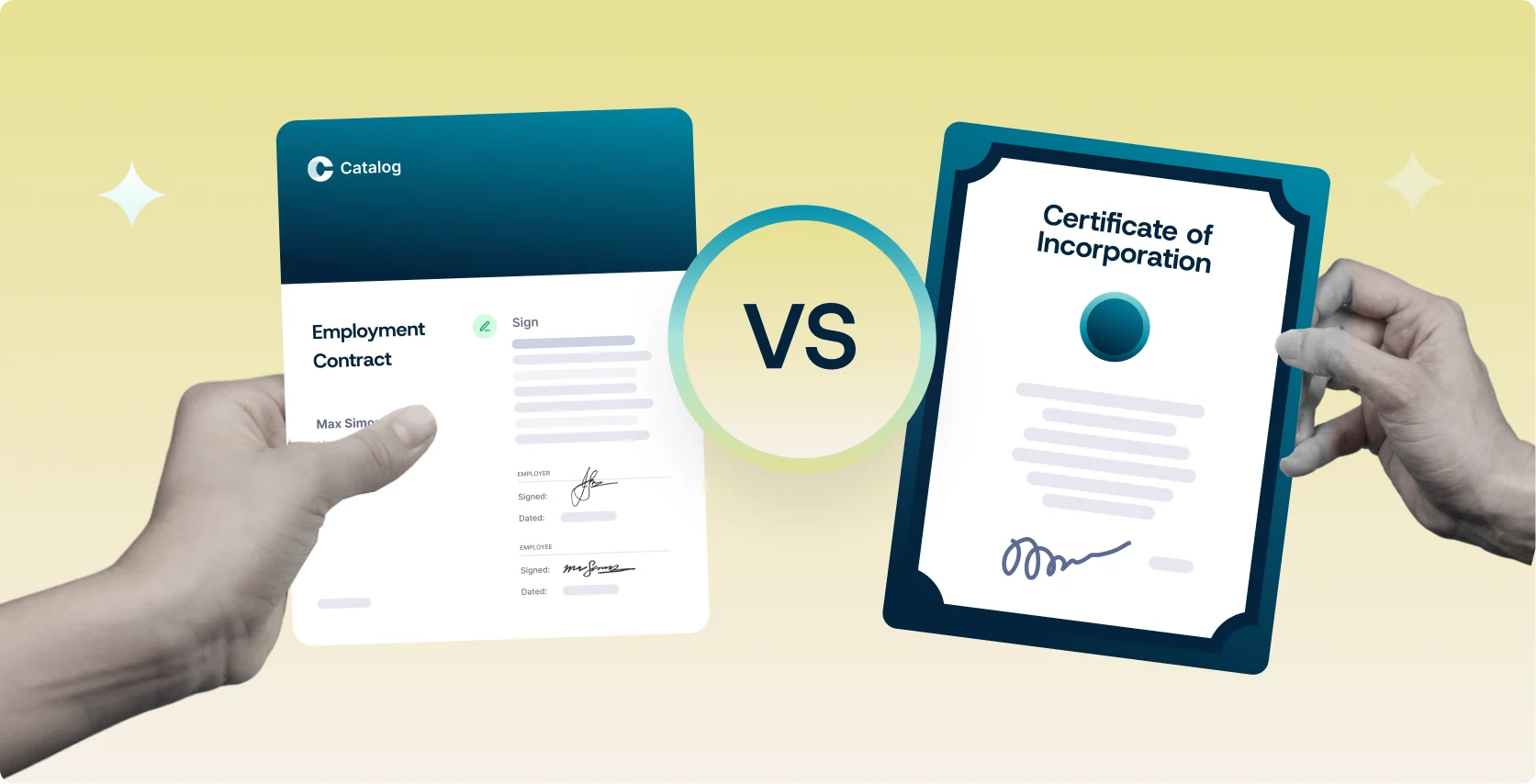
EOR vs setting up a local entity: what's right for global hiring?
International expansion usually starts with a practical question: should your business use an Employer of Record (EOR), or establish its own local entity?
Both approaches can support global expansion, but they solve different operational and compliance challenges. For many businesses, an EOR is the faster and lower-admin option when entering a new market. Setting up a local entity may make more sense when the business plans to build a long-term local operation with a larger headcount and direct in-country infrastructure.
The right choice depends on factors such as hiring timelines, growth plans, compliance responsibilities and internal resourcing. Deciding on these early can help you avoid unnecessary setup costs, hiring delays and compliance issues.
Businesses comparing Employer of Record vs. having their own entity are often trying to balance speed, control, compliance and operational complexity at the same time. EPG’s Employer of Record services help businesses hire internationally without needing to establish a local entity first.

What is an Employer of Record?
An Employer of Record (EOR) is a provider that legally employs workers on behalf of another business in a specific country. Under the arrangement, the EOR manages employment administration, onboarding, payroll, tax withholding, benefits administration and day-to-day administration of local employment requirements. The client’s business still directs the employee’s day-to-day work, responsibilities and performance management.
In practical terms, an EOR allows businesses to hire in overseas markets without establishing their own legal entity in that country. This model is commonly used when businesses want to:
- Enter a new market quickly
- Hire their first overseas employee
- Reduce local compliance administration
- Support remote or distributed teams
- Test expansion before making a larger investment
To efficiently manage payroll, compliance and workforce administration across multiple countries, many businesses prefer integrated support models that consolidate these functions under one provider. EPG’s global staffing solutions are designed around this structure.
What does setting up a local entity involve?
Setting up a local entity means establishing a registered business presence in the target country. The process differs between jurisdictions but mostly includes:
- Registering the company with local authorities
- Obtaining tax registrations and payroll accounts
- Opening local banking arrangements when required
- Establishing accounting and reporting processes
- Managing local employment contracts and records
- Meeting ongoing filing, tax and governance obligations
Requirements can vary significantly between countries such as Australia, New Zealand, Singapore, the United Kingdom and the United States. Some jurisdictions also impose additional licensing, director requirements or local reporting obligations, depending on the business structure and industry.
Once established, the entity becomes directly responsible for local employment compliance, payroll administration, tax obligations and workforce governance. For some businesses, this level of control is commercially necessary. For others, it can create more administration and operational overhead than expected during early expansion stages.

EOR vs local entity: the key differences
| Decision Factor | Employer of Record | Local Entity Setup |
|---|---|---|
| Speed to hire | Faster market entry and onboarding | Setup can take longer depending on the country's requirements |
| Upfront setup effort | Lower setup administration | Higher setup and registration workload |
| Payroll and tax administration | Managed through the EOR | Managed internally or through local providers |
| Employment compliance | Local employment administration supported by the EOR | Direct responsibility remains with the business |
| Operational control | Day-to-day work remains with the client, but legal employment is with the EOR | Full operational and employment control |
| Best suited to | Market testing, first hires, smaller teams, rapid expansion | Long-term operations with established local presence |
| Exit or transition complexity | Can be simpler for short-term market testing | Entity closure and deregistration can add complexity |
Businesses comparing EOR vs. entity setup should also consider how employment administration, local governance and ongoing payroll processing will be managed internally over time.
When an EOR is usually the better option
An EOR is generally better suited to companies prioritising speed and lower administrative overhead, particularly when a business is:
- Hiring its first employee in a country
- Testing market demand before committing to long-term
- Filling a time-sensitive role
- Expanding without local HR or payroll infrastructure
- Reducing compliance workload for internal teams
- Supporting remote or distributed employees internationally
For Australian businesses expanding overseas, an EOR can also reduce delays associated with entity registration and local employment setup.
Using an EOR doesn’t remove every tax consideration. Depending on what your overseas staff do, your business may still create a permanent establishment in that country.
FOR EXAMPLE
- A business may use an Employer of Record in New Zealand while assessing long-term market demand.
- A company entering the country for a single specialist hire may prefer an Employer of Record in the United Kingdom rather than establishing an immediate local infrastructure.
- Regional expansion into Asia may begin through an Employer of Record in Singapore arrangement to support faster onboarding.
- Businesses testing North American operations may use an Employer of Record in the United States before committing to a permanent local structure.
In many cases, businesses using EOR vs. global entity models are prioritising operational flexibility while reducing the internal burden associated with employment setup and local compliance management.
When a local entity may make more sense
If a company intends to grow and operate in a market for the foreseeable future, establishing a local entity may make more sense than continuing with an EOR arrangement.
Setting up a local entity is usually more practical when a company:
- Plans to hire a larger local workforce
- Requires direct operational control
- Generates local revenue in-country
- Needs a permanent legal presence
- Operates physical offices, facilities or regulated activities
- Has internal teams capable of managing ongoing compliance and governance
Establishing a local entity does not automatically indicate a more advanced stage of business. It simply reflects a different operational approach.
While entity setup can provide greater direct control, it also increases responsibility for services such as payroll administration, employment compliance, tax reporting and many others.
For businesses comparing EOR vs. an entity, the decision is often less about prestige and more about operational fit.

Cost, compliance and control: how to compare the trade-offs
Many comparisons between Employer of Record vs. own entity models oversimplify the cost discussion. The more useful comparison looks at how costs, responsibilities and internal workload change over time. Key considerations include:

Headcount growth
The number of planned hires in the market can significantly affect the comparison. An EOR can be commercially efficient for smaller teams or initial hires because it avoids many establishment and maintenance costs. As local headcount grows, the cost structure may shift.
Hiring timelines
Businesses needing employees onboarded quickly will most likely prefer EOR arrangements because local employment infrastructure already exists. Entity setup can delay recruitment while registrations, payroll arrangements and governance processes are established.
Length of market presence
Short-term market testing and long-term expansion typically require different workforce models. Some businesses only need a temporary presence, while others intend to establish permanent operations over several years.
Internal workload
The cost of hiring via EOR vs. a local entity is not limited to external provider fees. Businesses also need to account for the internal workload associated with HR administration, payroll management, tax compliance, recordkeeping, local employment obligations and ongoing governance oversight.
In many cases, these operational responsibilities become larger and more resource-intensive commitments than initially expected, especially as headcount grows across multiple jurisdictions.
Operational control
Direct local control may be commercially important in some markets or industries. However, more control also means greater responsibility for compliance and workforce administration.
The benefits of EOR compared with setting up an entity for global hiring depend on how much operational complexity the business is prepared to manage internally.

Can you start with an EOR and move to an entity later?
Yes. Many businesses use an EOR as an initial market-entry model before transitioning to their own local entity later. This approach allows the business to hire quickly, test market demand and build local headcount before committing to permanent infrastructure and ongoing governance obligations.
Once the market is established, employees can transition from the EOR arrangement into the new local entity structure. This can provide greater operational control while allowing the business to delay entity setup until there is a clearer commercial justification for maintaining a long-term local presence.
The transition process still requires careful planning. Businesses may need to manage new employment contracts, payroll migration, local registrations, employee communication, benefits continuity and local legal requirements during the handover process. Record transfers and compliance administration must also be managed carefully to minimise disruption for employees and internal teams.
Before transferring staff, check how prior service will be recognised for leave, notice and other entitlements, and whether new contracts will change any terms.
How EPG supports global hiring decisions
EPG supports businesses evaluating the right workforce structure for international expansion. This includes helping organisations assess the right workforce structure for international expansion, manage cross-border employment arrangements and support payroll and compliance administration across multiple jurisdictions.
EPG combines workforce, payroll, migration and compliance support in one integrated service model instead of separating these functions across multiple providers.
EPG delivers its services using the Xemplo platform, which centralises onboarding, payroll visibility and compliance workflows. The service remains human-led, with technology supporting consistency, visibility and operational efficiency rather than replacing advisory support.
You can explore our tech to see how workforce visibility and compliance administration are supported across EPG’s service model.

Choose the right global hiring model with EPG
Choosing between an EOR and local entity setup depends on your hiring timeline, market strategy, operational structure and compliance requirements.
EPG helps businesses assess the right workforce model before committing to a path, supporting international hiring, workforce administration and compliance across global markets.
If you are weighing up EOR or entity options for global hiring, let’s connect and discuss the right structure for your expansion plans.