

Key Takeaways
- An Employer of Record (EOR) is the legal employer and takes on employer obligations such as contracts, payroll, tax and statutory entitlements.
- A Professional Employer Organisation (PEO) operates on a co-employment model, where you remain the legal employer.
- EOR does not require a local entity, while PEO does.
- EOR is best suited for international hiring and expansion.
- PEO is typically used for domestic HR support, especially in the US.
- In Australia, ‘PEO’ is often used incorrectly, adding to confusion.
- EOR can reduce compliance risk and speed up hiring in new markets.
When you are hiring across borders, one of the first decisions you face is PEO vs EOR. Most teams researching global hiring come across both models, and the difference is not immediately clear.
The confusion usually comes from how similar the terms appear on the surface, even though they solve very different problems. One model is built for international hiring without an entity; the other assumes you already have one.
In Australia, the issue runs deeper. ‘PEO’ is often used loosely and can refer to what is technically an Employer of Record, making it even harder to compare options.
This guide clarifies the differences between an employer of record vs a PEO, outlines their legal distinctions and explains how to choose the right workforce structure for your business.

What is an EOR?
An Employer of Record is a third-party provider that legally employs your workers on your behalf. That means the EOR becomes the employer on paper, handling employment contracts, payroll, taxes and compliance with local labour laws. You still manage the employee’s day-to-day work and performance.
EPG Group operates as an Employer of Record globally, meaning your workforce can be hired compliantly through local entities while you retain full operational control. If you want a deeper discussion about EOR, see our guide on: What is an Employer of Record?
For businesses expanding internationally, Employer of Record services remove the need to set up a local entity before hiring.
What is a PEO?
A Professional Employer Organisation (PEO) is a co-employment model.
In this structure:
- You remain the legal employer
- The PEO shares HR and administrative responsibilities
- You must already have a legal entity in the country
Instead of replacing your legal obligations, a PEO works with you to support and manage them. It is also important to note that co-employment is largely a US-based model. It is not widely recognised under Australian employment law and can be legally problematic in some jurisdictions.
Because of this, PEOs are most relevant to domestic workforce management, particularly in the United States, rather than to international hiring.
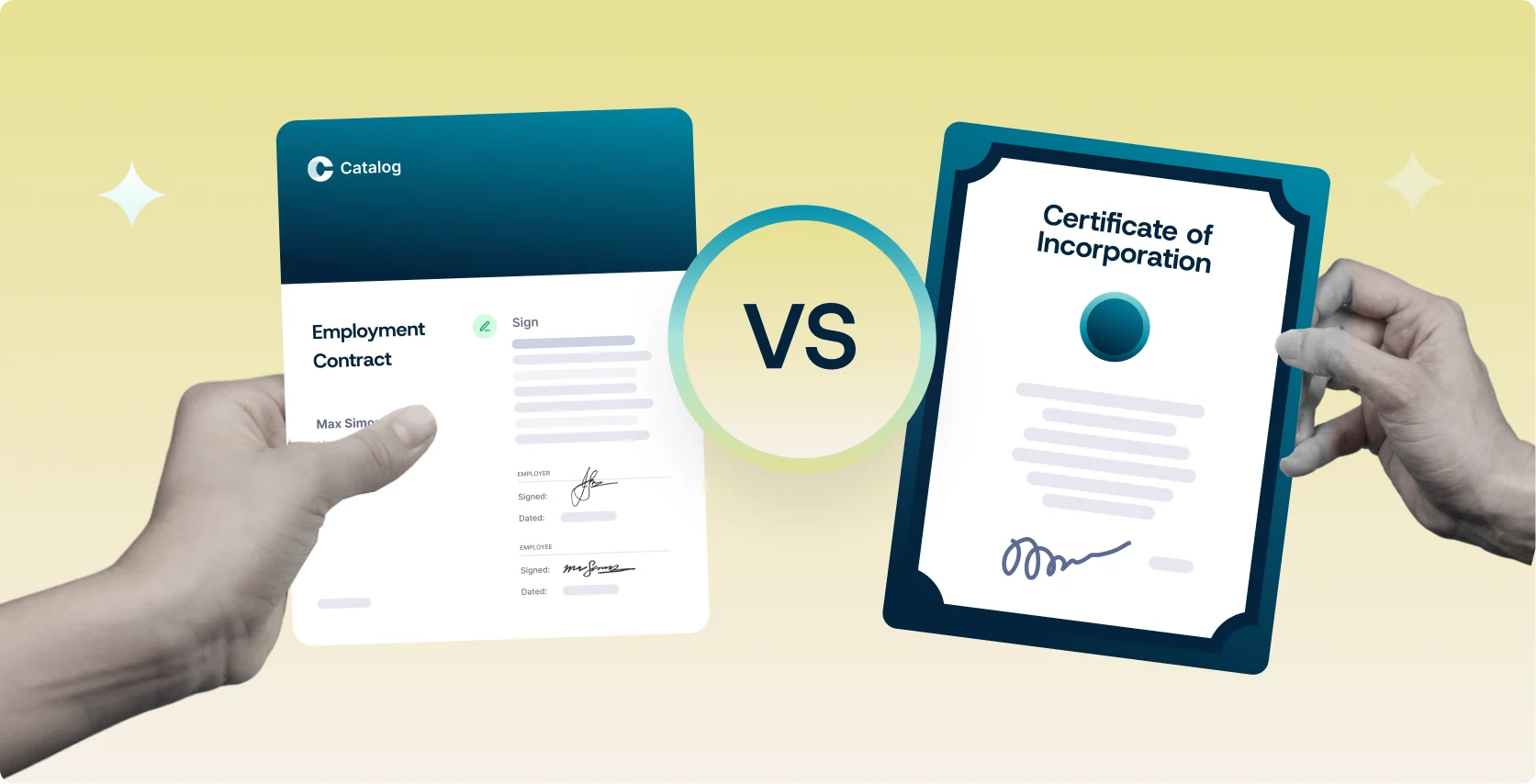
EOR vs PEO – the key differences
| Feature | EOR | PEO |
|---|---|---|
| Legal employer | EOR is the legal employer | You remain the legal employer |
| Local entity required | No | Yes |
| Compliance liability | EOR takes on legal employer obligations; the client keeps some responsibilities (e.g. workplace health and safety) | Shared or retained by client |
| Best for | International hiring | Domestic HR support |
| Speed to hire | Faster – no entity setup required | Slower, depends on entity setup |
| Flexibility | High, easy to scale up or down | Lower, tied to entity structure |
| Co-employment risk | Lower | Present |
The most important distinction in any PEO vs Employer-of-Record service comparison is legal liability. With an EOR, most employer compliance obligations sit with the provider, though the client remains responsible for areas such as workplace health and safety and its own tax position. With a PEO, it is not. That difference alone can materially impact your exposure when hiring across borders.
The second is the entity requirement. A PEO assumes you already have a registered business in the country. If you do not, you cannot use it. An EOR removes that barrier entirely, making the EOR vs setting up a local entity decision far more straightforward for companies entering new markets.
Finally, relevance. While PEOs work well for domestic HR consolidation, PEO vs EOR services distinctions consistently show that EOR is the more practical model for international hiring.

When to use an EOR vs a PEO
Use EOR when:
- Hiring in a country where you do not have a legal entity
- Expanding into a new market with a small team
- Speed to hire matters
- You want a provider to manage employer compliance
- You are testing a market before committing long-term
- You need integrated support across payroll, HR and migration
Use PEO when:
- You already have a legal entity in the country
- You want to outsource HR administration
- You are a US-based business managing domestic employees
- You are comfortable with shared compliance responsibility
For businesses weighing the best use cases for PEO vs EOR, the decision usually comes down to whether you already have an entity and how much risk you want to carry. If you are expanding globally or need flexibility, EOR is typically the better fit.
EOR vs PEO in Australia - what you need to know
First, terminology-wise, PEO is widely used in Australia, but often incorrectly. Many providers operating as EORs still market themselves as PEOs, which blurs the distinction and creates confusion.
Second, compliance. Under the Fair Work Act, an EOR takes on employer obligations such as superannuation, leave entitlements, award compliance and termination requirements. The client still has its own obligations, including workplace health and safety for the people it directs day to day.
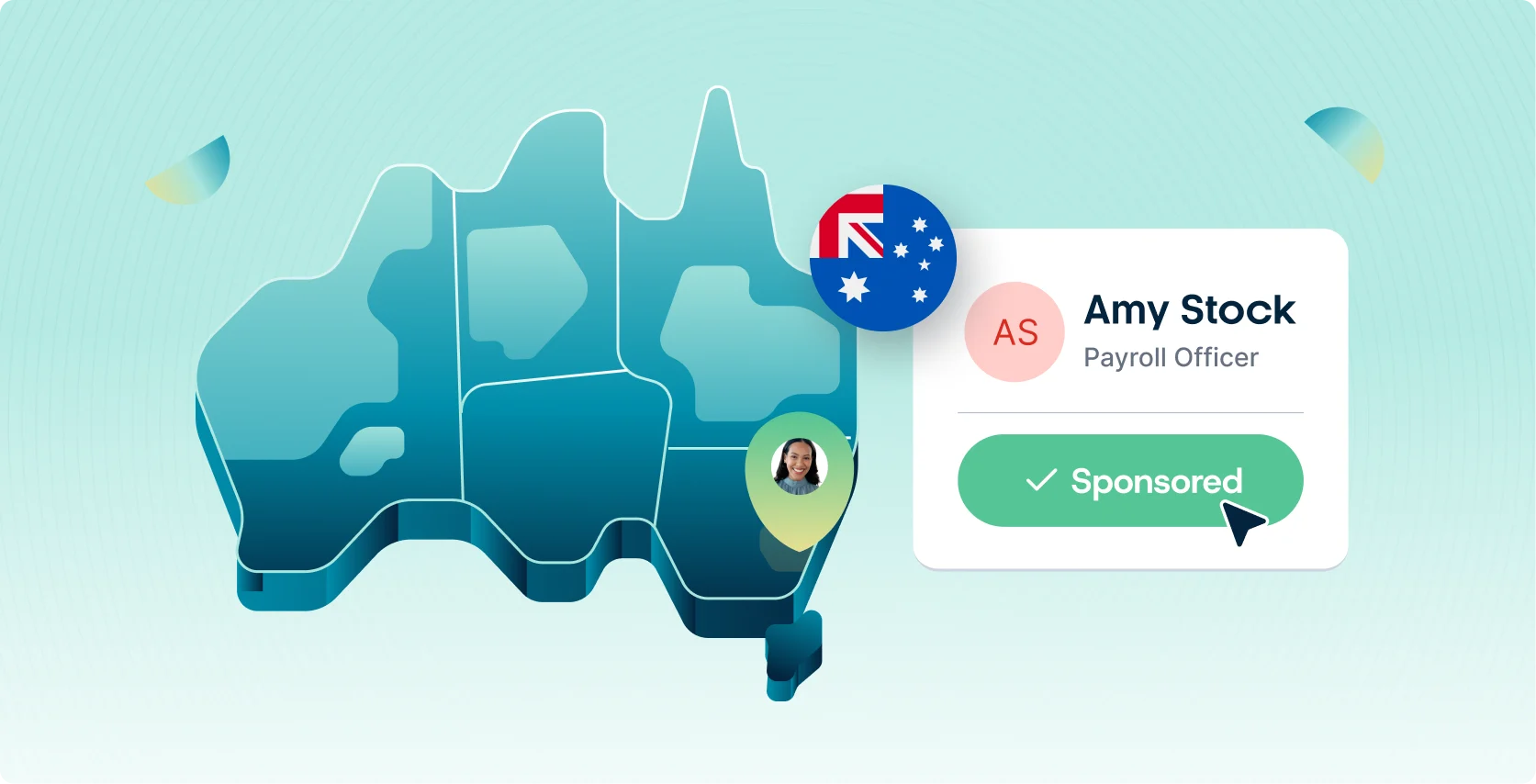
Third, migration capability. For businesses hiring overseas talent in Australia, on-hire labour agreements are critical. These are government-approved arrangements that allow an approved sponsor, such as EPG, to employ and sponsor workers on behalf of another business.
This is not something a standard PEO model can provide. If international hiring is part of your strategy, this distinction has real implications for how you execute. To see how this works in practice, explore EPG’s migration services.
Can you use both an EOR and a PEO?
Yes. Many companies use a PEO for their domestic workforce and an EOR for international hiring. This hybrid model allows businesses to streamline HR locally while still expanding globally without setting up entities in every country.

How EPG Group supports global and Australian hiring
EPG Group is a global workforce solutions partner that combines payroll, HR, migration and staffing into a single integrated model. This matters because most providers handle only part of the process. EPG brings everything together, from onboarding and compliance to payroll and workforce mobility.
For businesses comparing PEO and EOR, the advantage of an EOR model becomes clear when you need to:
- Hire quickly in a new market
- Manage compliance across jurisdictions
- Avoid the cost and complexity of entity setup
EPG enables this process through a technology-enabled platform and in-country expertise, giving you visibility and control without the administrative burden.