
The Philippines continues to attract Australian and US businesses looking to build remote teams and offshore operations. However, hiring staff in the Philippines comes with legal and tax obligations that businesses cannot afford to overlook.
The most suitable employment model depends on the nature of the role and the level of control required. Businesses must also decide whether the worker should be engaged as an employee, contractor or through a local staffing arrangement.
This guide explains the primary ways to hire in the Philippines and the core compliance areas employers should know. It also helps businesses compare their options before choosing a hiring model.

What to know before hiring in the Philippines
Before hiring employees in the Philippines, businesses should first determine what type of working relationship they actually need. The right approach can vary depending on whether the business requires a direct employee, independent contractor, staffing partner or long-term local entity structure.
Philippine employment law generally applies to locally employed workers, even when the parent company operates overseas. Payroll obligations, statutory benefits and termination processes should also be considered before the offer and onboarding stage.
| Consideration | Why It Matters |
|---|---|
| Worker type | The compliance obligations differ between employees, contractors and staffing arrangements |
| Local presence | Some hiring structures may require local employment or operational support |
| Payroll obligations | Employers may need to manage payroll, tax withholding and statutory contributions |
| Operational control | Greater day-to-day control can increase employment obligations |
| Hiring volume | The right model for one employee may differ from the right model for a larger team |
For businesses planning to hire Filipino employees long-term, understanding these operational differences can help reduce compliance issues and unnecessary restructuring later.
Can a foreign company hire employees in the Philippines?
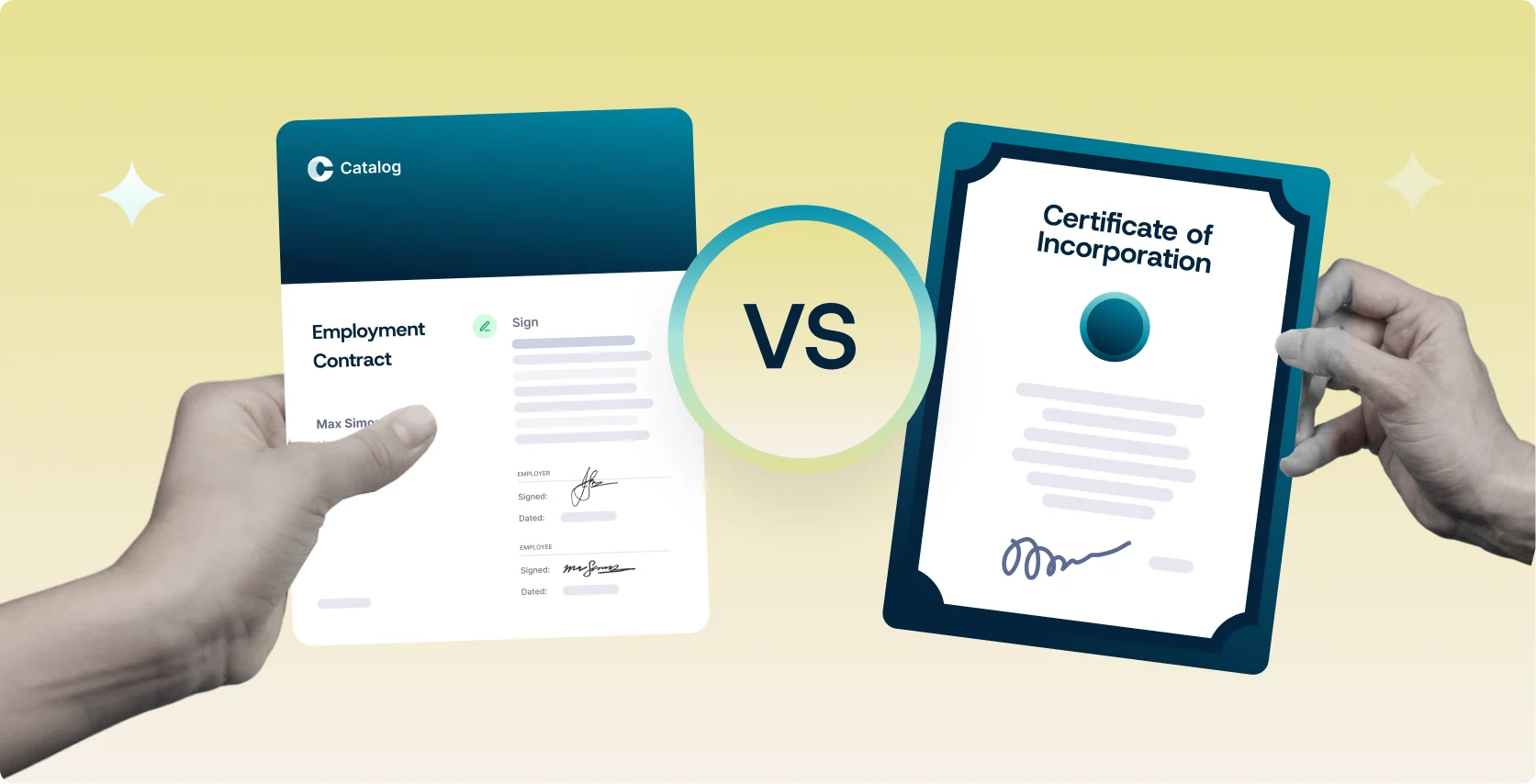
Yes, but paying someone overseas is not automatically the same as legally employing them under a compliant local structure.
Foreign companies that want to hire staff in the Philippines need an appropriate local employment pathway. Depending on the situation, this may involve establishing a local entity, using an employer of record (EOR) arrangement or working with a staffing partner that already has compliant local infrastructure in place.
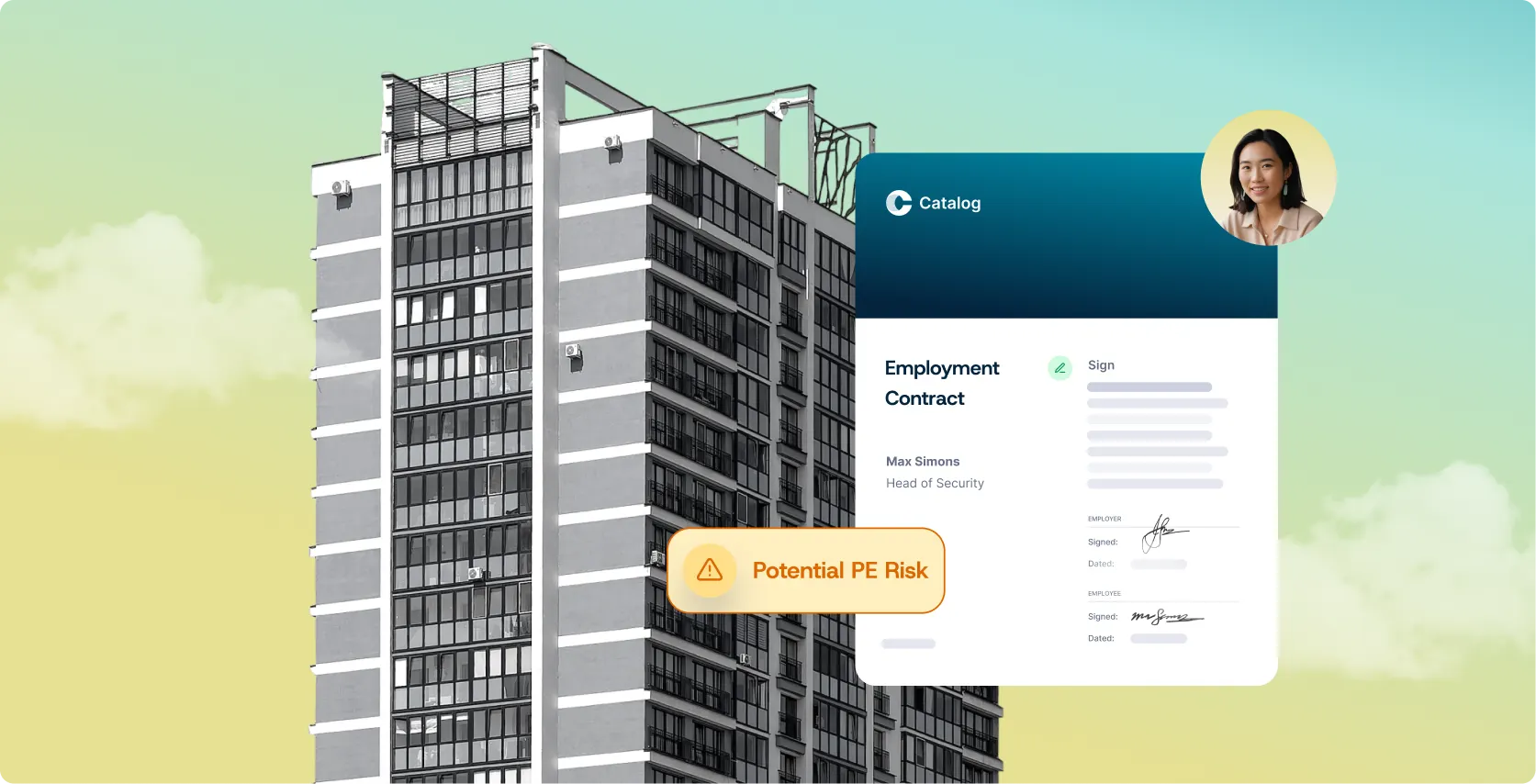
Businesses should also recognise that broader in-market activity can create separate corporate, tax or registration considerations depending on how operations are structured. Employment setup, payroll obligations and corporate presence are not always treated as the same issue.
Current guidance from the Securities and Exchange Commission and the Bureau of Internal Revenue should always be reviewed before establishing longer-term local operations or employment structures.
The main ways to hire employees in the Philippines
There is no single ‘best’ way to hire in the Philippines because the right structure depends on hiring volume, operational goals, budget, control requirements and long-term expansion plans.
| Hiring Route | Best Suited To | Watch-Outs |
|---|---|---|
| Set up a local entity | Larger long-term operations with permanent local presence | Higher setup, payroll and governance workload |
| Employer of record | First hires, remote employees and market testing | Ongoing service costs and shared operational structure |
| Staffing partner | Project teams or operational workforce support | Scope and management structure need to be clearly defined |
| Independent contractor | Genuine project-based or independent service work | Worker classification and compliance risk |
Businesses exploring an Employer of Record in the Philippines may prefer a faster hiring route without establishing a local entity immediately.
EPG’s broader global staffing solutions also support businesses managing different workforce structures across multiple jurisdictions. If contractor engagement is more appropriate than direct employment, Agent of Record services can help manage contractor engagements, including contracts, onboarding, and payments.

Employment laws in the Philippines to understand first
Businesses hiring employees in the Philippines should understand the core employment law concepts that affect onboarding, payroll administration and ongoing workforce management.
Employment contracts should clearly outline the role, compensation, working arrangements and employment terms. Working hours, overtime expectations and leave entitlements also need to align with local employment requirements.
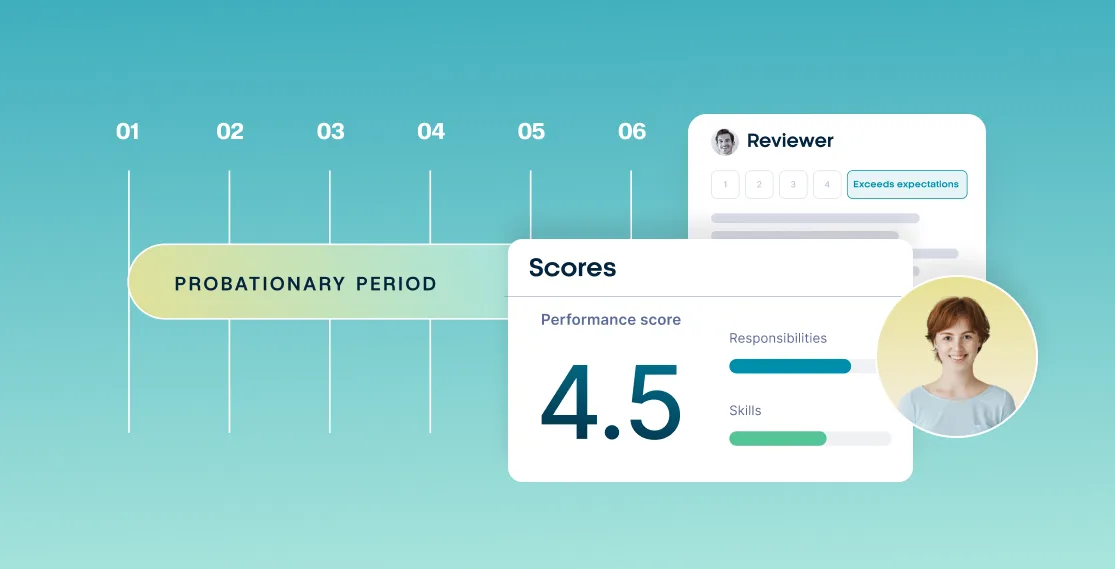
Employers should also understand how probationary employment operates, including the importance of setting clear role expectations and assessment periods from the beginning of employment.
Mandatory benefits such as 13th-month pay form part of the broader employment cost structure and should be factored into workforce budgeting and payroll planning. Employers also need to understand that termination and offboarding processes can involve procedural requirements and final pay obligations that differ from Australian or US employment expectations.
Review the policies of the Department of Labor and Employment (DOLE), the provisions of the Labor Code of the Philippines and the Workers’ Statutory Monetary Benefits Handbook before finalising employment arrangements.
Payroll, tax and statutory contributions
Hiring employees in the Philippines creates recurring payroll, reporting and statutory contribution obligations that employers need to manage consistently.
Employer responsibilities include tax withholding requirements through the Bureau of Internal Revenue (BIR), along with employer obligations connected to SSS, PhilHealth and Pag-IBIG administration. Mandatory 13th-month pay also forms part of annual payroll planning for covered employees.
| Area | What Employers Need to Plan For |
|---|---|
| BIR | Tax withholding, payroll reporting and employee tax administration |
| SSS | Social security contribution management and employer reporting |
| PhilHealth | Health contribution administration and payment processes |
| Pag-IBIG | Mandatory housing fund contribution handling |
| 13th-month pay | Annual budgeting and payroll planning obligations |
For businesses hiring employees in the Philippines remotely, payroll administration can become one of the most significant operational considerations if local systems are not already in place.

Employee or contractor? Check the classification risk
Contractor arrangements can suit genuine independent project work, specialised consulting services or clearly defined deliverables. However, businesses should assess carefully whether the working relationship actually functions more like employment in practice.
Classification risk can increase when workers operate under fixed hours, close supervision or ongoing role-based responsibilities that resemble permanent employment. Other warning signs can include exclusivity arrangements, integration into internal teams, company-supplied equipment, limited ability to delegate work or service arrangements that operate like continuing employee roles rather than independent services.
The actual working relationship is more crucial than the contract label itself. Businesses using contractor models should ensure the arrangement genuinely reflects independent service work rather than employee-like engagement under another name.
EPG’s Agent of Record services can help businesses manage contractor engagements, including contracts, onboarding, and payments.
How to hire employees in the Philippines step by step
Before hiring employees in the Philippines, employers also need to consider the employment structure, payroll setup, statutory obligations and onboarding process. The step-by-step overview below outlines the main stages businesses should plan for before the employee’s first day.
What Australian and US employers should plan for
Australian and US businesses hiring Filipino employees should avoid assuming their domestic employment practices automatically apply to Philippine-based workers.
Plan time zone coordination, remote management expectations and communication workflows before onboarding begins. Salary benchmarking and payment currency decisions can also affect budgeting and employee expectations across international teams.
Internally, businesses should clarify who manages HR approvals, payroll changes, leave administration and offboarding responsibilities before the first hire is made. Employee data collection and payroll documentation must also be organised in advance to avoid delays during onboarding.

When an Employer of Record may make sense
An Employer of Record arrangement can suit businesses that want to employ staff in the Philippines without immediately establishing their own local entity or payroll infrastructure.
This model is commonly considered when:
- Hiring a first employee in the Philippines
- Testing the market before entity setup
- Supporting a remote employee who requires formal employee status
- Replacing a contractor arrangement that may create classification risk
- Managing local payroll administration without a dedicated local HR function
For businesses comparing employment models, EOR is only one possible route rather than a universal solution. The right structure depends on hiring scale, operational control, budget and long-term expansion plans.
Businesses considering an Employer of Record setup in the Philippines can also explore EPG’s general Employer of Record services or compare structures through this guide to EOR vs Setting up a Local Entity.
Common mistakes to avoid when hiring in the Philippines
Businesses hiring employees in the Philippines can reduce operational and compliance issues by reviewing their hiring structure carefully before onboarding begins.
Common mistakes include:
- Misclassifying employee-like workers as contractors
- Assuming overseas payment automatically creates compliant employment
- Ignoring statutory benefits and 13th-month pay obligations
- Using generic contracts without local review
- Skipping payroll registration and reporting requirements
- Underestimating termination and offboarding processes
- Treating staffing, EOR and contractor management as interchangeable models
Many of these problems only become visible after the worker has already started, making efficient planning especially important for businesses managing offshore or remote teams.
Need help managing probation, payroll or staffing compliance?
EPG helps businesses compare hiring routes, understand workforce compliance considerations and choose the right support model for Filipino employees and contractors. Businesses exploring EOR arrangements can also learn more about EPG’s Employer of Record in the Philippines.
If your business is planning to hire Filipino employees or expand operations offshore, contact EPG to discuss the right workforce structure for your hiring plans.
This article provides general information only and isn’t legal or tax advice. Employment requirements in the Philippines change, so seek local advice for your situation.