PHILIPPINES
Hire with ease with an Employer of Record in the Philippines
Hiring employees in the Philippines can help businesses build remote teams and access skilled professionals without immediately establishing their own local employing entity. However, employment in the Philippines involves local payroll and labour law obligations that need to be considered from the outset.
EPG helps businesses hire employees through an Employer of Record (EOR) in the Philippines, supporting local employment without immediately establishing their own local employing entity, where an EOR arrangement is appropriate.
Expert support for employment in the Philippines
Where an EOR arrangement is appropriate, employees are engaged through EPG’s local employment structure, with EPG managing agreed employer-side responsibilities in the Philippines.
The respective responsibilities of EPG and the client are confirmed for each engagement based on the proposed role and working arrangement.
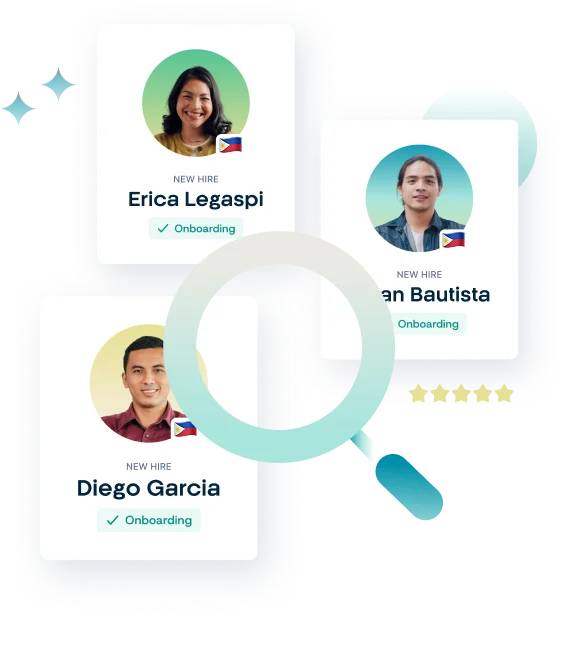
From the beginning of the employment relationship, our team manages agreed local employment processes that support appropriate employment administration. This includes coordinating onboarding before the employee starts, administering payroll and statutory obligations and providing ongoing employment support throughout the engagement. Our team works with reference to applicable Philippine employment requirements, including the framework administered by the Department of Labor and Employment (DOLE) and the Labor Code of the Philippines.
Businesses looking to expand internationally can also explore EPG’s Employer of Record services for support across multiple jurisdictions.
How EPG supports employment administration in the Philippines
Payroll and BIR withholding
Employers in the Philippines are responsible for administering payroll and managing income tax withholding through the Bureau of Internal Revenue (BIR). Accurate payroll processing helps employees receive the correct pay while helping employers comply with local reporting requirements.
SSS, PhilHealth and Pag-IBIG
Covered employees in the Philippines may also require statutory contributions to the Social Security System (SSS), PhilHealth and Pag-IBIG Fund. These government-administered programs form an important part of local employment compliance and must be administered correctly throughout the employment relationship.
13th month pay
The Philippines requires covered employees to receive 13th month pay, which is to be paid no later than 24 December each year. For international employers, this creates an additional payroll obligation to take into account when budgeting for local employment costs.
Employment contracts and labour standards
Employment relationships in the Philippines are subject to Philippine labour requirements, which may differ from the employment laws of the client’s home country. Employment documentation and processes should therefore be reviewed against applicable Philippine requirements
Leave, holidays and payroll scheduling
Public holidays, special non-working days and leave administration are all important aspects of payroll planning in the Philippines. Businesses also need to consider local payroll schedules and employee leave management throughout the year.
Probationary employment
Probationary employment is commonly used in the Philippines, but it should be documented and managed carefully. Performance expectations should be clearly documented and communicated, with appropriate records maintained and local employment processes followed if concerns arise during probation.
Termination and offboarding
Ending employment in the Philippines requires careful planning and consideration of local employment requirements. Any termination process needs to account for applicable grounds, due process, documentation, final pay and employment records before employment ends.
Trusted by more than 1,000 businesses internationally
Hire in the Philippines without immediatley setting up your own local employing entity
An EOR in the Philippines may suit businesses looking to hire employees without immediately establishing their own local employing entity, while accessing support for employment setup, payroll, HR administration and employer-side compliance obligations.
This model is commonly used by organisations hiring their first employee in the Philippines, building remote support teams, testing the market before committing to entity setup, reviewing whether an employment model may be more appropriate than an informal contractor arrangement or managing local payroll without expanding their internal HR capability.
Businesses comparing employment models can also refer to EPG’s to better understand the available hiring options.
If contractor engagement is more appropriate than direct employment, EPG also provides Agent of Record (AOR) services to support contractor administration where an AOR arrangement is appropriate.
Support across the employment lifecycle when hiring in the Philippines
Our Employer of Record services in the Philippines are designed to support international employers throughout the entire employment lifecycle.
This hands-on approach allows businesses to hire in the Philippines with confidence while reducing the admin associated with local employment.
Support for local employment administration and compliance
Our team manages agreed employer-side obligations throughout the engagement and supports businesses with local employment administration.
The responsibilities of EPG and the client, including operational and employment-related responsibilities, are defined for each engagement with regard to the proposed working arrangement and applicable local requirements.
Structured onboarding from day one
Successful onboarding involves much more than preparing an employment contract.
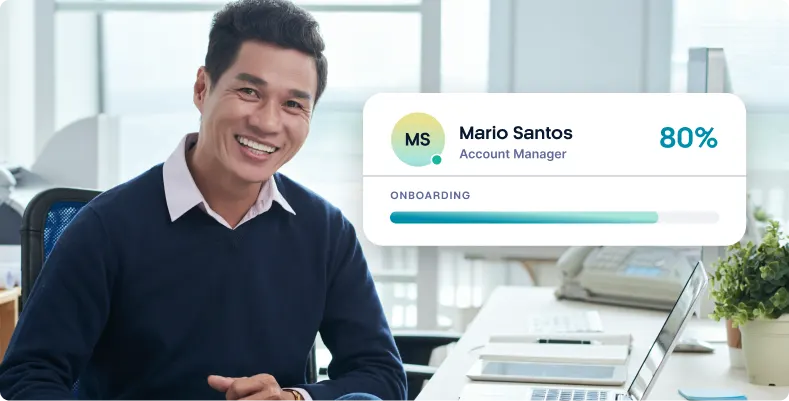
EPG coordinates employment setup, payroll, tax and statutory administration, employee records and onboarding activities before the employee's first working day, helping businesses establish a structured employment process.
Employment and payroll developments monitored over time
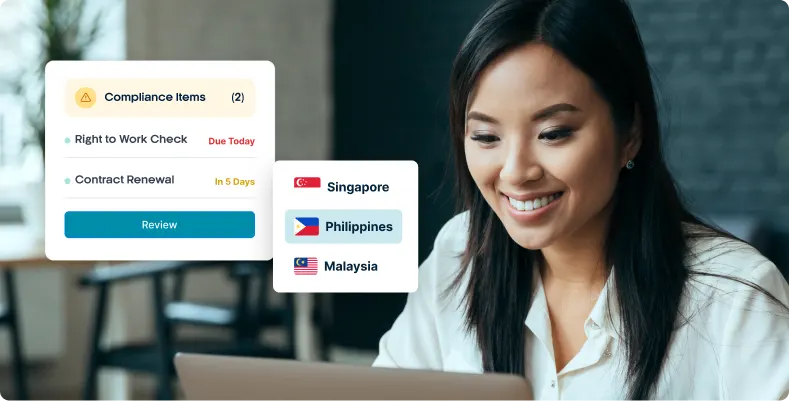
Employment obligations evolve over time.
EPG monitors relevant employment and payroll developments, helping reduce the burden of tracking regulatory changes while businesses manage teams across multiple countries.
Ongoing employment administration and advisory support
Support continues well beyond onboarding.
Support continues well beyond onboarding. Our team helps businesses manage payroll administration, leave management, employment records and offboarding support throughout the employment lifecycle.
EOR vs setting up a Philippines entity
| Decision Factor | EOR in the Philippines | Philippines Entity Setup |
|---|---|---|
| Speed to hire | Can reduce setup time by using an existing local employment structure | Local entity setup and registration may be required before direct hiring |
| Employment administratiion & compliance | Supported under the agreed EOR arrangement | Managed through the business's local employment structure |
| Payroll administration | Included within the EOR arrangement | Managed through the business's local payroll function |
| Upfront setup effort | Lower administrative setup | Higher setup and ongoing governance requirements |
| Best suited to | First hires, market testing and smaller teams where EOR is appropriate | Larger long-term operations with established local presence |
Why EPG Group
Why global clients choose EPG Group for Philippines EOR
Simplified workforce management in the Philippines
EPG helps businesses reduce the operational complexity of hiring and supporting employees in the Philippines without immediately building all local employment infrastructure internally.
Employment administration and compliance support
Our team supports the employment lifecycle, from onboarding and payroll administration to ongoing employment administration and offboarding, through a managed service model designed for international employers.
Faster market entry with local employment support
A Philippines Employer of Record may help businesses begin hiring more quickly than establishing their own local employing entity, subject to the proposed role, onboarding requirements and applicable local requirements. As workforce requirements evolve, EPG can continue supporting broader international expansion through our global staffing solutions.
Rely on full visibility
Technology supports every stage of the employment lifecycle, but people remain at the centre of service delivery.
Through Xemplo, businesses gain visibility into onboarding progress, payroll workflows, leave balances, compliance activities and workforce records while EPG continues managing the underlying employment administration.
Learn more and explore our tech to see how Xemplo simplifies global workforce management.
faqs
Common questions about EOR in the Philippines
What does an Employer of Record do in the Philippines?
Where an EOR arrangement is appropriate, the worker is employed through the EOR's local employment structure and the EOR manages agreed employer-side responsibilities, such as employment administration and payroll. The respective responsibilities of the EOR and the client depend on the role, working arrangement and applicable local requirements.
Can I hire employees in the Philippines without setting up a local company?
Potentially. Where an EOR arrangement is appropriate, workers can be employed through an existing local employment structure without the client establishing its own local employing entity. Depending on the business's planned activities, separate local registration or professional advice may still be required.
What Philippines employment obligations can an EOR handle?
An EOR can support employment setup, onboarding, payroll administration, BIR withholding, statutory contribution administration, 13th month pay, leave administration, employee records and offboarding support.
How does 13th month pay work in the Philippines?
For covered employees, 13th month pay is a mandatory payroll obligation that is generally paid by 24 December each year. Employers should include this obligation in annual workforce budgeting and payroll planning.
Is EOR better than setting up a Philippines entity?
The right model depends on hiring volume, operational goals, compliance requirements, available internal resources and long-term expansion plans. EOR is commonly used for first hires and market entry, while entity setup may become more appropriate as local operations expand.
What happens when employment ends in the Philippines?
Ending employment requires careful management of valid grounds, due process, employment documentation, final pay and employee records. The specific requirements depend on the employment arrangement and the circumstances of the termination.
Your Philippines workforce starts here
EPG helps businesses hire, onboard and pay employees in the Philippines through expert-led EOR services backed by local employment expertise.
Ready to expand your workforce? Let's connect and discuss the right employment solution for your business.