
Talent acquisition is about more than filling open roles, it’s a smarter, more deliberate approach to hiring.
Rather than scrambling when a position becomes vacant, companies that invest in strategic talent acquisition plan ahead. They build relationships with people whose skills and experience align with the organisation’s needs.
This forward-thinking approach helps you anticipate workforce needs and create a hiring process that supports your business strategy. When hiring is tied to business strategy, you’re far better placed to attract the right specialists and build teams that last.
For organisations looking to expand into new markets or build international teams, talent acquisition can provide a real edge.
With this in mind, what is ‘talent acquisition’? How does it differ from standard recruitment, and why does it matter for growing businesses? Let’s explore.
What Is Talent Acquisition?
Talent acquisition refers to finding, attracting and hiring people with the right skills to support a company’s long-term objectives. The primary focus of traditional recruitment is to fill job vacancies. Talent acquisition takes a broader view — involving ongoing workforce planning, proactive talent sourcing and building pipelines that prepare the business for what’s ahead.
Companies investing in talent acquisition tend to look beyond immediate skill needs. They’re also thinking about:
- Cultural fit and values alignment - whether someone will work well with existing teams and connect with the way the business operates
- Growth potential - the capacity to take on more responsibility and grow into leadership over time
- Adaptability - the ability to learn quickly and keep pace with changing technology and business needs
- Experience and problem-solving - not just qualifications, but a proven ability to tackle real challenges
- Retention potential - hiring people who are likely to stay, reducing turnover and keeping teams stable
- Diverse perspectives - building teams with varied backgrounds, which tends to lead to better thinking and more informed decisions
Together, these considerations help organisations build resilient, well-rounded teams – not just fill seats.
By identifying strong candidates early and building talent pipelines, businesses can access the hard-to-find expertise they need to stay competitive in their industry and reduce hiring delays.
Talent Acquisition is a Function of HR
In most organisations, strategic talent sourcing and acquisition sit within the HR team. HR professionals are responsible for ensuring hiring activity supports the wider business strategy, which means thinking about workforce planning, spotting potential skill gaps and preparing for future headcount needs.
Rather than a one-off task, talent sourcing and acquisition are ongoing. The goal is simple: make sure the right people are in the right roles as the business grows.

What’s the Difference Between Talent Acquisition and Recruitment?
The two terms get used interchangeably, but they’re not the same thing.
Recruitment is a transactional process; a role opens up and you fill it. Talent acquisition is a longer-term strategy focused on identifying and securing the right people to support the business as it evolves.
Talent sourcing plays a role in workforce planning, executive hiring and building pools of specialist candidates. By contrast, recruitment is reactive. It kicks in when there’s a vacancy to fill.
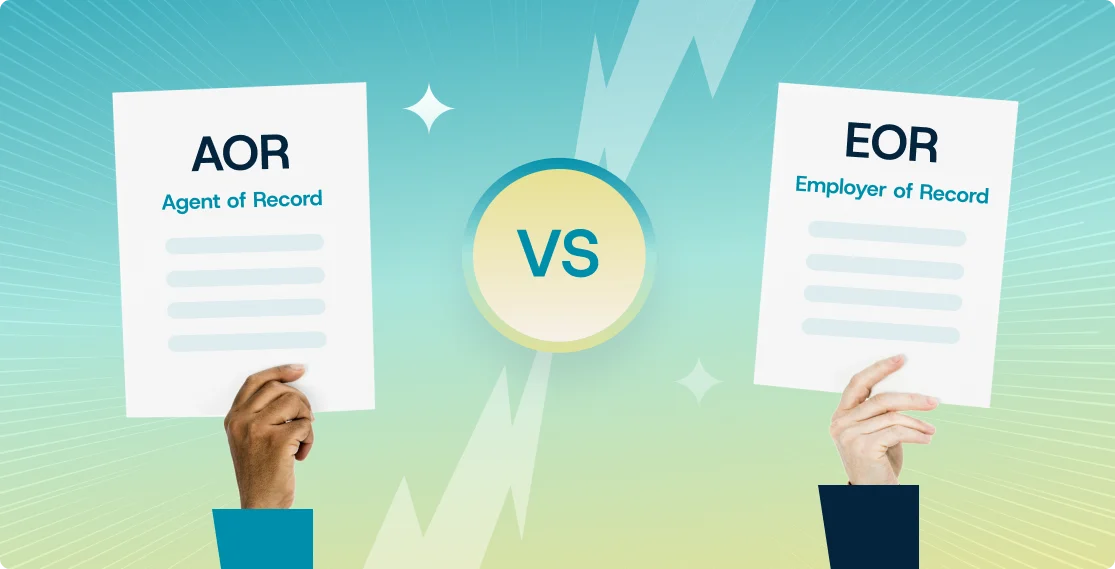
Strategic talent sourcing can sometimes mean accessing talent in overseas markets. When hiring internationally, businesses must manage employment laws, payroll and compliance obligations across jurisdictions. For businesses hiring contractors or workers internationally, Employer of Record (EOR) or Agent of Record (AOR) solutions from EPG Group can make the process easier.
Here’s a side-by-side comparison:
| Talent Acquisition | Recruitment |
|---|---|
| Long-term hiring strategy aligned with business growth | Short-term process focused on filling open roles |
| Proactively builds talent pipelines | Reactively fills roles once a vacancy appears |
| Targets specialists, leaders and hard-to-fill positions | Focuses on filling immediate vacancies |
| Involves workforce planning, employer branding and market research | Primarily covers job advertising, screening and interviewing candidates |
| Used when scaling teams or entering new markets | Typically used to replace staff or fill existing roles |
| May include global hiring strategies and workforce models such as EOR or AOR | Usually limited to a single hiring process for a specific role |
Understanding where the two differ helps you build a smarter hiring strategy – one that works for today and sets you up for tomorrow.
The Core Pillars of a Talent Acquisition Strategy
What distinguishes talent acquisition is its focus on long-term workforce planning. A strong strategy is built on a few key pillars that help organisations attract, engage and secure the right people over time.

Strategic Talent Sourcing
Strategic talent sourcing means actively identifying and engaging potential candidates before a role is even advertised. Rather than waiting for applications to come in, talent acquisition teams go looking – including for candidates who aren’t actively job-hunting right now.
This is especially important for specialised or leadership roles where the pool of qualified candidates is small.
Employer Branding and Culture
A company’s reputation has a direct impact on its ability to attract good people. Employer branding is about how an organisation presents itself as a place to work, including its values, culture, career opportunities and the day-to-day employee experience.
Businesses with a strong employer brand tend to attract more qualified candidates and build genuine trust with potential hires. When people feel a company is supportive, progressive and aligned with their own values, they’re more likely to engage – and stay engaged throughout the hiring process.
Data-Driven Workforce Planning
Data is increasingly driving good talent acquisition strategies. By identifying workforce trends, performance metrics and growth projections, organisations can anticipate future hiring needs and spot skill gaps before they become a problem.
This kind of planning helps HR and leadership teams hire more effectively, allocate resources more efficiently and avoid the reactive hiring pressures that often come with rapid growth.

What Are the Key Stages of Talent Acquisition?
A lot of talent acquisition strategies follow a set plan. While every organisation does things slightly differently, the core stages tend to look like this:
What Are the Challenges of Talent Acquisition?
Even with a well-thought-out strategy, talent acquisition isn’t without its difficulties. Common challenges include:
- Access to specialised talent – shortages of highly skilled professionals make it harder to find candidates with the right expertise, particularly in technical or leadership roles.
- Competition for candidates – businesses are often chasing the same people, especially in technology, engineering and executive hiring.
- Global compliance – hiring across borders brings labour laws, tax obligations and classification requirements that need careful management.
- Slow hiring timelines – without streamlined processes, top candidates can easily walk into a competitor’s offer while you’re still deciding.
- Internal resource constraints – HR teams wearing multiple hats often struggle to give strategic sourcing the time it deserves.
- Employer brand upkeep – promoting a positive workplace culture takes ongoing effort, but it matters for building long-term pipelines.
What is the Impact of AI on Talent Acquisition and Recruitment
To manage some of these challenges, more businesses are turning to AI and recruitment technology.
According to LinkedIn recruiting insights, 73% of recruiters say AI makes hiring more efficient, particularly by automating time-consuming tasks, such as resume screening, candidate matching and interview scheduling. AI can also support better decision-making by forecasting hiring needs and highlighting skill gaps. This frees HR teams to focus on the parts of hiring that genuinely require human judgement.
It shows just how quickly the hiring landscape is changing. That said, it’s not without risk. Over-reliance on automated screening can introduce bias. There’s also a real chance that rigid filters could cause strong candidates to be overlooked.
The most effective approach tends to combine human judgement with smart technology. EPG Group’s technology platform is built with exactly that in mind — helping businesses manage candidate pipelines, compliance and documentation while keeping specialist expertise at the centre of the process.
Key Takeaways
- Talent acquisition is a long-term hiring strategy focused on finding and attracting the right people to support future business growth.
- Recruitment and talent acquisition are different – recruitment fills immediate vacancies, while talent acquisition builds talent pipelines.
- AI and technology are reshaping how businesses hire, automating admin and supporting smarter decision-making.
- For international hiring, workforce solutions like EOR and AOR help businesses engage talent compliantly.

Unlock Your Talent Acquisition’s ROI
Done well, strategic talent sourcing helps you hire faster, reduce risk and build teams that support long-term growth. Investing in proactive sourcing, a strong employer brand and a structured hiring approach also gives businesses a genuine edge when competing for the best people.
If you want to sharpen your hiring strategy and simplify workforce management, get in touch with EPG Group about how our global payroll, staffing and compliance solutions can support your team.